What it actually is, in plain terms
It’s a tablet-shaped console with controllers that clip onto its sides. Slide it into the dock next to the television and the picture appears on the TV; lift it out and the game continues on the console’s own screen, mid-sentence. There is no “handheld mode” to switch on, and nothing to reconnect.
The controllers detach, and for a great many games each one works as a complete controller for one player. That’s the second thing that makes it a household console rather than a personal one: a brand-new machine can run a two-player race straight out of the box, with nothing else bought.
It also plays most games made for the original Switch, which matters if there’s already a collection in the house. Games made specifically for the newer console don’t work in reverse.
Who this is a genuinely great gift for
A family with children. Nintendo’s library is the most family-friendly in gaming by a distance, most of it rated E, and the same console serves a six-year-old and a parent without either feeling short-changed.
A household with no console at all. If you’re starting from zero and the decision is which machine to buy, this is the one that requires the least knowledge from everyone involved — no settings to understand, no subscription required to play the games you own, nothing to configure.
Someone who travels or commutes. The handheld half is a real handheld, not a compromise, and that’s the feature people end up using most.
An existing Switch household ready to upgrade. Their games mostly come with them, which removes the usual reason to hesitate.
What it costs after the box
This is the part gift buyers underestimate, and it’s worth being blunt about.
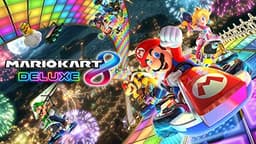
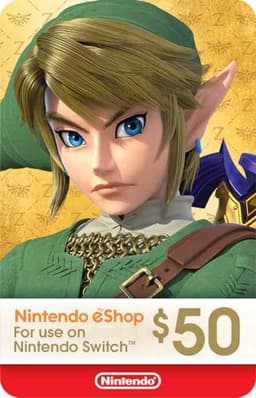
Games are separate unless you buy a bundle. A console with nothing to play on it is a deflating morning, so budget for at least one game or a store card alongside it — our Switch games to gift list is the shortlist, and eShop cards explained covers the credit route.
Extra controllers cost real money. Two players are free; three or four are not, and a pair of controllers can cost more than a game. If the household plans on four-player evenings, factor that in from the start.
Online play needs a membership. Playing with people in other houses requires Nintendo Switch Online — $19.99 a year for one person, or $34.99 a year for a family plan covering up to eight accounts, per Nintendo’s own pricing. Playing in the same room needs nothing. Our subscriptions guide covers what each tier includes.
Who should buy something else
Anyone whose recipient already owns one. Obvious, but consoles are the gift most often bought without checking, because the buyer assumes an upgrade is always welcome. Check.
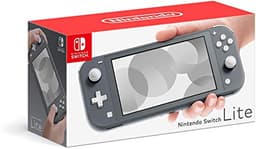
A single player who’ll never use the television. If the console is for one person who’ll play it in bed or on a train, the smaller handheld-only model does that job for meaningfully less — our Switch 2 versus Switch Lite comparison sets out exactly what you give up.
A committed PlayStation or Xbox player. Their games don’t transfer, their friends aren’t here, and a second ecosystem is a big ask. Buy for the console they use.
Anyone where this would be an uncomfortable amount of money. A console is a family-scale present. If it’s more than the occasion calls for, a game plus an accessory is a better-judged gift than an expensive machine that embarrasses the recipient.
The practical buying notes
Bundles are usually worth it when they include a game the household would have bought anyway — and worth ignoring when they don’t.
Storage fills up if they buy games as downloads rather than on cartridges. A memory card is an unglamorous but genuinely useful add-on gift for a household that’s been playing for a year.
Buy from a seller you recognize. Consoles attract marked-up third-party listings, especially close to Christmas. The price shown on this page is pulled live and dated, which is exactly so you can see whether today’s number looks sensible.
What it costs once you add everything it needs
One number has moved since this console launched, and it changes the verdict’s arithmetic: Nintendo of America raised the US MSRP from $449.99 to $499.99 from September 1, 2026. Our guide to what a Switch 2 really costs adds the game, the storage card and the extra controllers to that figure and gives three realistic totals. If the console is settled and the games are the question, Switch 2 games for kids is the age-filtered shelf.
If the price above is the sticking point, the honest alternative has its own review now: the Nintendo Switch Lite plays the same original Switch library for a fraction of the money, and the whole review is built around the one trade-off that comes with it — it physically cannot be plugged into a television.