The four layers, and what each one is for
The centerpiece ($25–40). One item that justifies the whole thing. Lighting is the reliable choice because it’s visible, it improves a room rather than adding another device, and it doesn’t depend on knowing which console they own. A carry case works if they have a handheld; a good desk accessory works if they play at a desk.
The weekly-use layer ($10–20 total). Small things that get picked up regularly — grips, a cable tidy, a cloth, a stand. These are the items that decide whether the basket is remembered as thoughtful, because they’re the ones still in use months later.
The consumable layer ($10–20). Snacks and drinks they actually like. This is where volume comes from, and it’s the layer people are tempted to replace with novelty gaming tat — don’t. Good coffee beats a controller-shaped eraser every time.
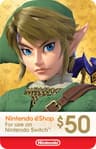
The code ($10–25, optional). Store credit for their console, printed and tucked into an envelope at the bottom. It’s the part with the longest life, and it costs nothing to include beyond its face value.
Three builds, by budget
The $50 basket. Lighting as the centerpiece, one small accessory, and a decent snack layer. That’s it — three components, no padding. At this price the discipline matters most, because there’s no room for anything that isn’t pulling its weight.
The $75 basket. Same shape, plus either a second accessory or a $20 store card. If you know their platform, the card is the better addition; if you don’t, add something neutral like a desk light or a case.
The $100 basket. Upgrade the centerpiece to something they’d genuinely have asked for — a headset, a controller, a game — and keep the rest of the structure identical. At this budget the basket is really a present with trimmings, which is exactly what it should be. Our under $100 list has the candidates.
Give it a theme, and the whole thing improves
An untethered basket is a pile. A themed one is a gift. Three themes that work:
By platform. Everything in it suits the console they own — case, grips, store card, a game. Precise, obviously considered, and only possible if you’re sure what they play on.
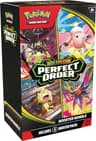
By fandom. A Minecraft basket, a Pokémon basket, a Zelda basket. This is the easiest theme to get right because the recipient has already told you what they love, usually repeatedly. Our fandom lists — Minecraft, Pokémon and Zelda — are effectively basket shopping lists.
By occasion. A “first week with a new console” basket, a “heading to college” basket, an “all-nighter for the new release” basket. The theme writes the contents for you and gives the card something to say.
Presentation without an actual basket
You don’t need wicker. A box, a tote bag, a storage crate they’ll keep, or a plastic tub that later lives under their desk all work, and the last two are more useful afterwards than a basket ever is.
Two details that do most of the work: put the tall item at the back and the small ones in front so everything is visible at once, and keep the code in a plain envelope at the top rather than buried — a code found three days later, under the snacks, has lost most of its charm.
What to leave out
Novelty gaming merchandise with a slogan on it. Anything platform-specific if you haven’t confirmed the platform — that’s the single most common way a gaming gift fails, and a basket makes it worse because the wrong item is sitting there in front of everyone. Energy drinks for a child. And anything bought purely to fill space, which the recipient will spot immediately.
If your budget is tighter than a basket wants, build the same idea smaller: our stocking stuffers list is the miniature version, and the Secret Santa page covers what to do inside a strict limit.