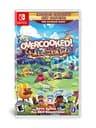
The gift you both get something out of
There’s no shame in it. A co-op game you buy for a friend is a gift they own and an evening you both get, and everybody understands the arrangement. It works best when the game is genuinely designed for two or four people rather than being a solo game with multiplayer bolted on — cooking chaos, party games, and anything where failure is funny rather than annoying.
The one thing to check is whether you’ll actually be in the same room. Games that need everyone on one sofa are a different purchase from games you play online from separate houses, and the second kind usually means you both need a copy. Our party games list covers the same-room version in more depth.
How much to spend
$15–25 is the casual friend and the office friend. Lighting, grips, a small accessory, a cheap game. It reads as thoughtful without starting an escalation.
$25–50 is the close friend. This is the sweet spot for headsets, most games and three months of a subscription — real gifts with real use, none of which will make anyone uncomfortable.
Over $50 usually wants a reason: a milestone birthday, a group going in together, or a friendship where you both spend like that. If you’re considering it because you can’t think of anything cheaper that’s good enough, look again at the list — a well-chosen $30 gift beats a generic $80 one every time.
If several of you are splitting one present, the big-ticket list is where group gifts live.
The platform trap
The most common way a friend’s gaming gift fails is that it’s for the wrong machine. You’ve seen them play, you know they game, and it turns out the thing they play on isn’t the thing you assumed.
When you’re not certain, buy across platforms. A wired headset with a 3.5 mm plug works everywhere. Lighting works everywhere. Grips fit both major controller shapes. Subscriptions and store credit do not — those are locked to one ecosystem, and a Game Pass code is worth nothing to a PlayStation household. Our thirty-second controller identification guide is the fastest way to settle it if you can get a look at their setup.
Should you buy them a game?
Only if you know what they’ve already got. A friend’s library is invisible — digital purchases, subscription libraries and sale impulse-buys mean a keen player may own several hundred games, and there’s no shelf to check.
Two safe routes: buy a game you intend to play with them, which they’re unlikely to already own in a version that matters, or buy credit for their store and let them choose. Our gift card versus a game guide covers the trade-off, and Game Pass versus buying games covers the subscription version of the same question.
If the friend is a work friend
Keep it under the office limit, keep it neutral, and keep it usable at a desk. Lighting, a cable tidy, a small accessory or a snack-and-accessory pairing all work. Our Secret Santa list is built specifically for that constraint, including the picks that survive the limit and the ones that quietly get binned in January.