Gift through Steam, or buy a code?
Both end with the same game in the same library. They differ in what they ask of you.
Gifting inside Steam means buying the game on the Steam store and saying who it’s for. Since Valve’s July 2026 update that can be a Steam friend, a plain email address, or someone whose wishlist link you followed — and you can check out as a guest without a Steam account of your own. Gifting to a Steam friend keeps one advantage the email route doesn’t have: you can schedule the delivery for a future date and time, and it lands in their time zone rather than yours, so a birthday gift arrives on the birthday. Either way they get an email (plus a notification in Steam if it went to their account) with an Accept or Decline button, and they have thirty days to accept before it cancels itself and refunds you.
Buying a code skips all of that. You buy it like any other item, the code arrives in your inbox, and you decide how it gets to them — forwarded, printed and put in a card, or read out over the phone. Nothing lands until you say so, there’s no thirty-day clock, and you get something to put in an envelope. That last part is why it’s still the route we’d suggest for most people reading this page.
If you’d rather send the game to someone who isn’t on your friends list, we wrote that up separately: how to gift a Steam game to someone who isn’t your Steam friend.
The one thing worth checking first
Do they already own it? This is the only real risk with a PC game. Steam libraries are large, invisible from outside the house, and grow during sales almost by accident — it is entirely normal for someone to own two hundred games and have played forty of them.
Two ways around it. If you can see their Steam profile and their game list is public, you can simply look. If you can’t, pick something recent, or pick from the “they’d never buy this themselves” category — the oddball pick on this page exists for exactly that reason. And if a duplicate does happen, a gift sent through Steam that hasn’t been accepted can be refunded, which is a genuinely useful safety net that codes bought elsewhere don’t always have.
How to choose between the five
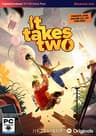
If they have somebody to play with, the co-op pick is the easy answer and the one we recommend most often. A game built entirely for two people is a different sort of present from a game one person disappears into — it’s an invitation as much as a gift, and its Friend’s Pass means the second player doesn’t need their own copy. If that idea appeals, our co-op games for couples list has the console versions too.
If they like a thing more than they like games, buy the game about the thing. Somebody who loves the Wizarding World, or tractors, or trains, or city planning will forgive a great deal in a game that’s about their subject. This is the single most reliable instinct a non-gamer gift buyer has, and it is worth trusting — two of the five picks here are on the list for precisely that reason.
If they play seriously and you want to impress them, go for the prestige single-player game. The catch is that a serious PC player has probably already bought the famous ones, so look for something that was a console exclusive until recently — those are the big titles most likely to be missing from a PC library.
What about a Steam gift card?
Steam wallet codes exist and work perfectly well, but they aren’t sold on Amazon, so you’ll be buying one direct from Steam or from a physical shop. As a present they carry the usual gift-card trade-off: nothing to unwrap, zero chance of being wrong. Our gift card versus an actual game guide walks through when each one is the better call — the short version is that a card is the right answer when you genuinely don’t know what they like, and the wrong answer when you do.
Age ratings still apply
PC games carry the same ESRB letters as console games, and they matter just as much when you’re buying for somebody else’s child. Two of the picks here are rated E for Everyone, two are T for Teen, and one is M for Mature 17+ — each is labeled on its card above. If the letters mean nothing to you, our age ratings explained guide covers what each one allows and, more usefully, what the small print underneath it is warning you about.